
 Belting
Rubber Conveyor Belting
Compare rubber belt covers, profiles and carcass options for bulk handling, with application-specific selection and replacement guidance.
ExploreTHE COMPLETE CATALOGUE
Search belting, components, services, industries and selection guides.
64 results
BeltingCompare rubber belt covers, profiles and carcass options for bulk handling, with application-specific selection and replacement guidance.
Explore Belting
Surface profiles help retain material as conveyor inclination increases. The choice of cleat shape, height and spacing depends on product size and the way material releases at discharge.
Explore Belting
CFW textile construction is designed around resistance to tearing and demanding loading conditions. Consider carcass behaviour alongside the belt cover when sharp or irregular material is part of the process.
Explore Belting
Sharp aggregate and severe loading can damage a belt long before ordinary wear becomes the main concern. XCG and related rubber cover grades address cutting, gouging and abrasion.
Explore Belting
Oily or greasy material can affect ordinary rubber covers. Nitrile-blended and mild-oil-resistant compounds are options to discuss for recycling, timber processing and similar material streams.
Explore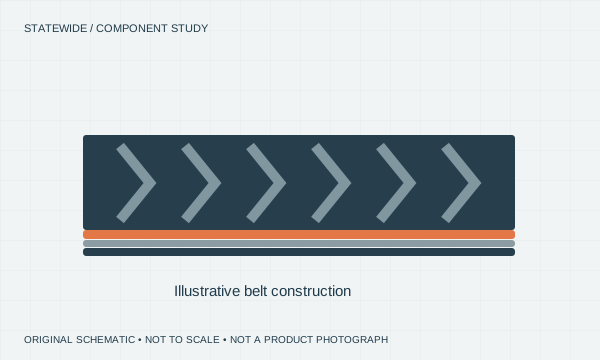 Belting
Chevron patterns create pockets of grip for material travelling uphill. Open-V, closed-V and other profiles offer different loading and release characteristics across an inclined conveyor.
Explore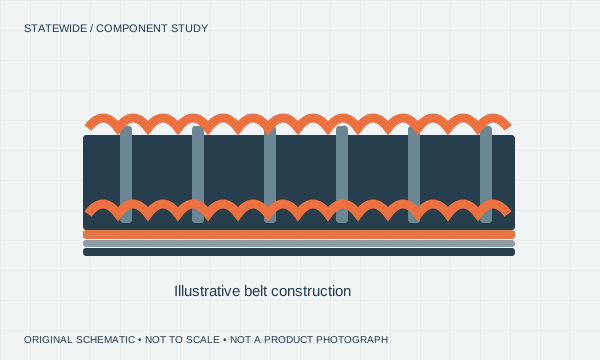 Belting
Corrugated edges help retain material when space is limited or the conveying route climbs steeply. Sidewalls, cross-cleats and the base belt need to work as a complete system.
Explore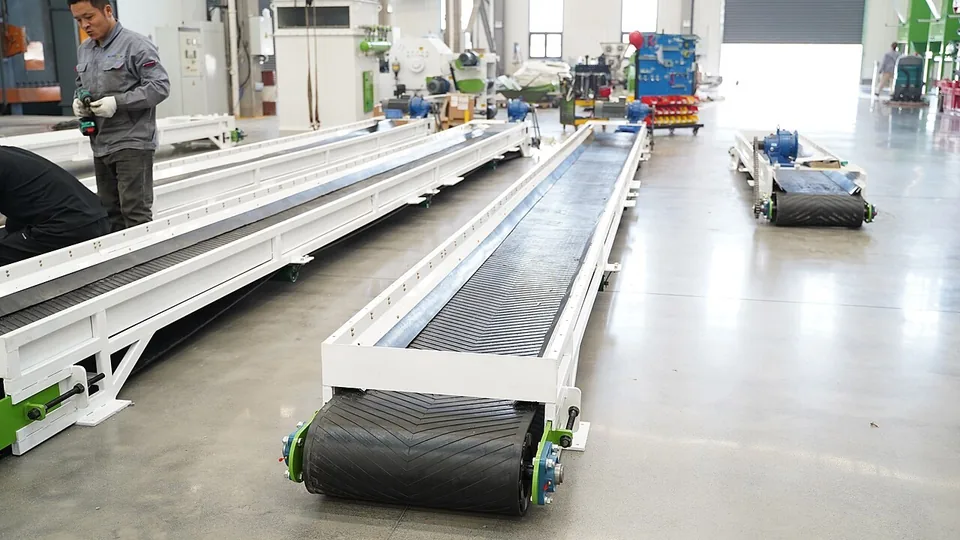 Belting
Flat transport and inclined conveying place different demands on the belt surface. Start with the material and incline, then consider whether a smooth finish or a raised profile is appropriate.
Explore Belting
A short feeder conveyor meters material from a hopper or bin into the next stage of a process. Belt selection needs to account for loading pressure, feed rate and local wear.
Explore Belting
Mobile crushers and fixed screening plants expose belts to impact, abrasive loads and tight installation spaces. Replacement dimensions and access planning are as important as the belt compound.
Explore Belting
Stacker conveyors distribute bulk material into stockpiles. The belt needs to suit the changing boom position, material behaviour and wear at the loading zone.
Explore Belting
Recycling lines move mixed materials between inspection, separation and processing stages. Belt surface and construction should suit the waste stream, oils, sharp objects and cleaning requirements.
Explore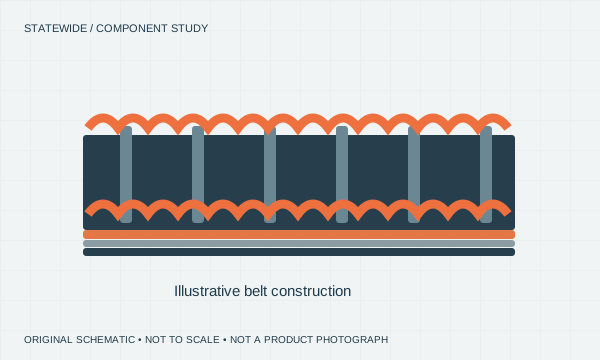 Belting
Pocket-style conveying combines the base belt with sidewalls and cleats to move material through steep changes in elevation. Layout and material testing guide the final configuration.
Explore Belting
PVC and PVG constructions serve a range of handling applications, with flat or profiled options. Selection depends on the product, operating environment and the belt construction required.
Explore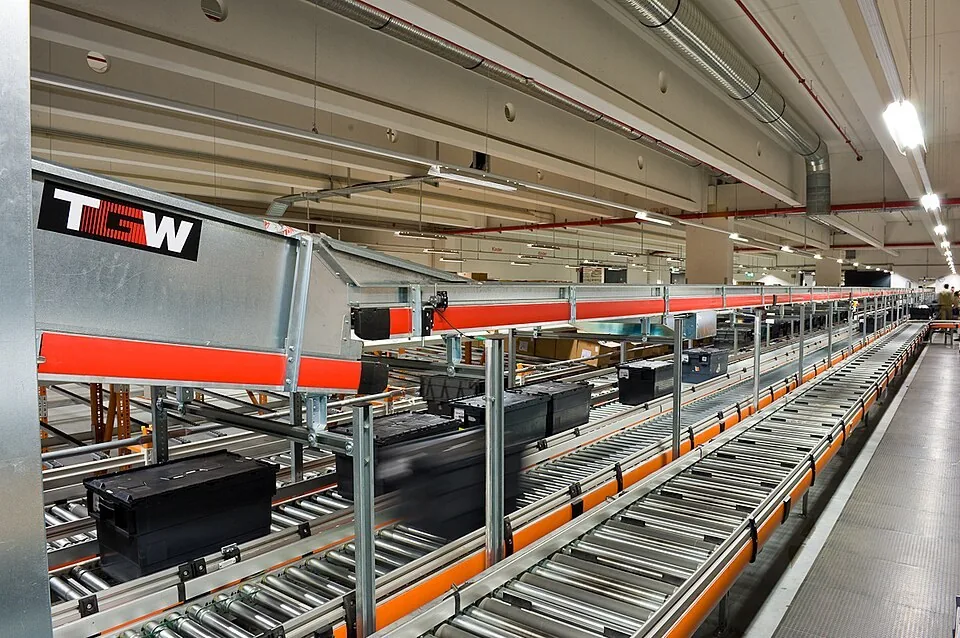 Belting
Gravity and motor-driven rollers move cartons, packages and other unit loads through handling lines. Roller geometry, drive arrangement and load support influence the correct replacement components.
Explore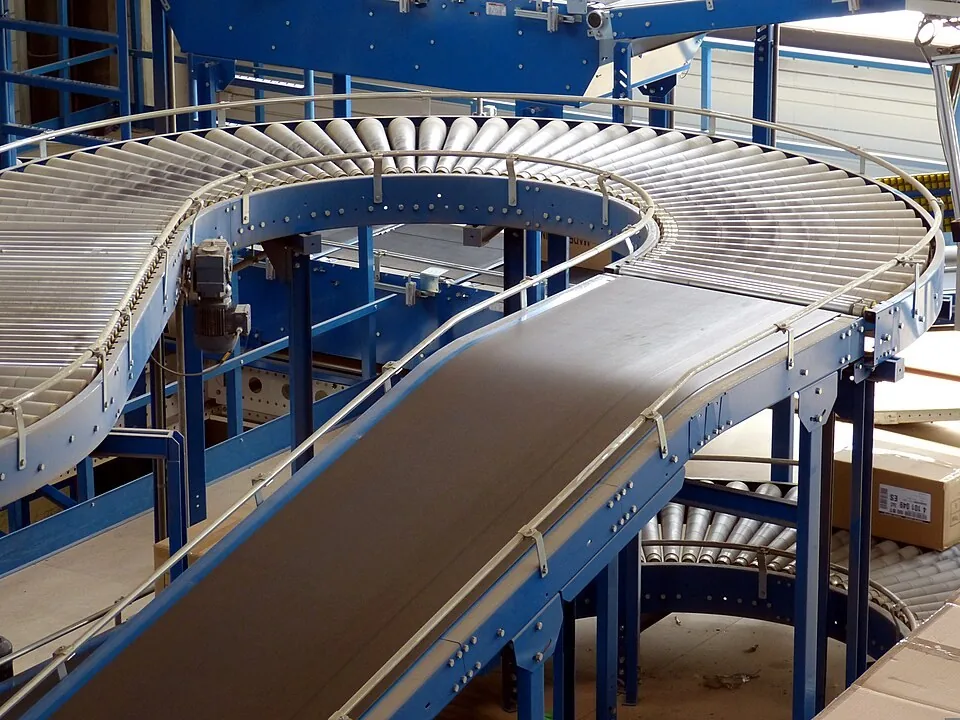 Belting
Curved belts keep products moving as a line changes direction. Belt shape, guide arrangement, angle and inside radius need to match the installed conveyor.
Explore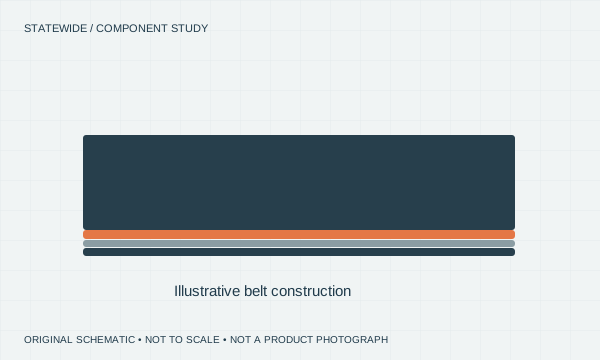 Belting
Live-bottom trailers use a moving floor belt to discharge their load. Identify the trailer system, belt dimensions, joint design and load conditions before arranging a replacement.
Explore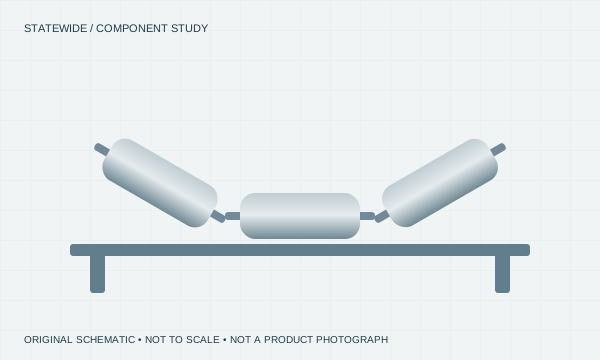 Components
Carry, return and impact rollers support the belt through different parts of a conveyor. Shell material, bearing protection and mounting dimensions affect both fit and service life.
Explore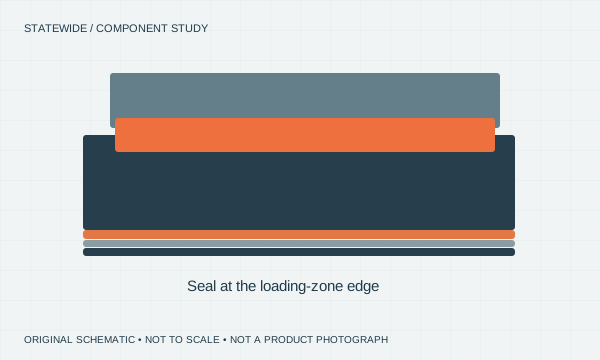 Components
Skirting helps contain material at transfer points and loading zones. The material must balance sealing performance with friction and wear against the moving belt.
Explore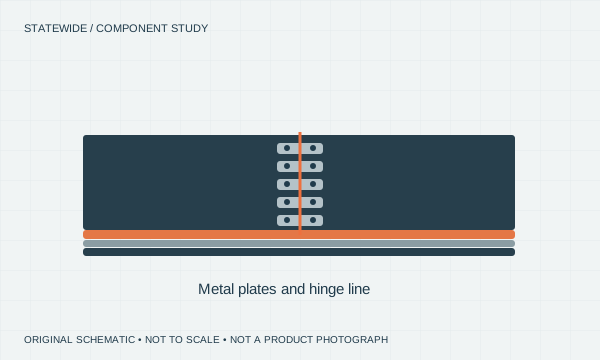 Components
Mechanical joints connect belt ends using a system selected for the belt thickness, tensile rating and pulley diameter. Wire-hook, hinged and plate designs suit different duties.
Explore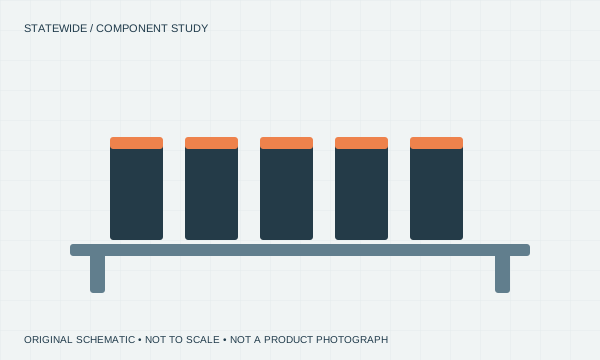 Components
Loading-zone support helps manage the impact of falling material while supporting the belt beneath the skirts. Frame geometry and replacement bar dimensions need to match the conveyor.
Explore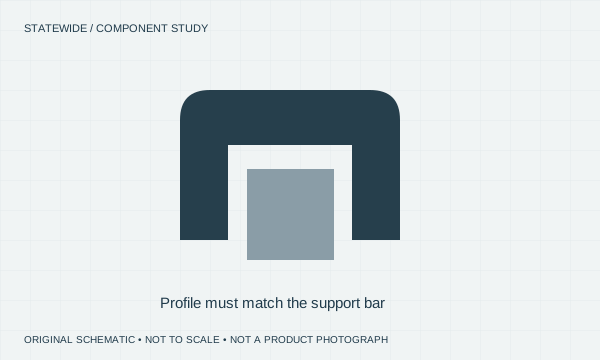 Components
Profiled capping strips sit over screen support bars to protect the screen underside and supporting steelwork. Accurate profile measurements are essential for a secure fit.
Explore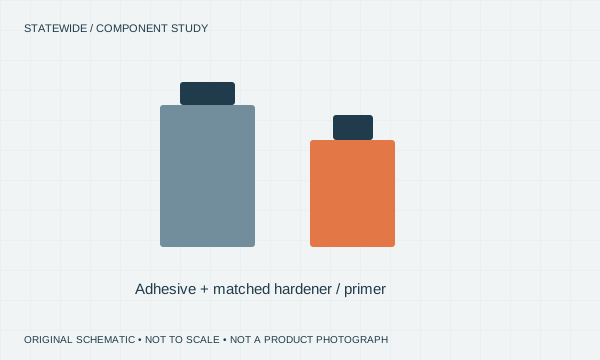 Components
Rubber bonding and cold-splice work require compatible adhesives, primers and preparation methods. Select the complete bonding system for the substrates and working conditions.
Explore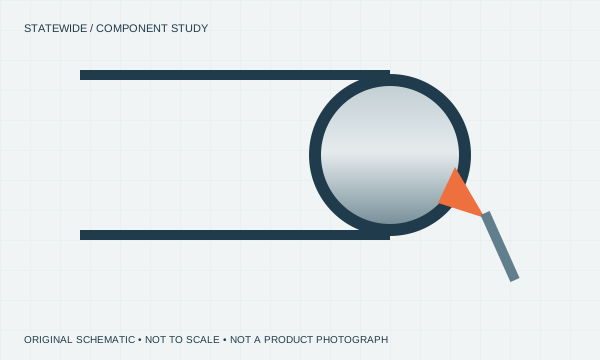 Components
Carryback can build up beneath a conveyor and affect surrounding components. Primary and secondary cleaning arrangements target residue at different points after discharge.
Explore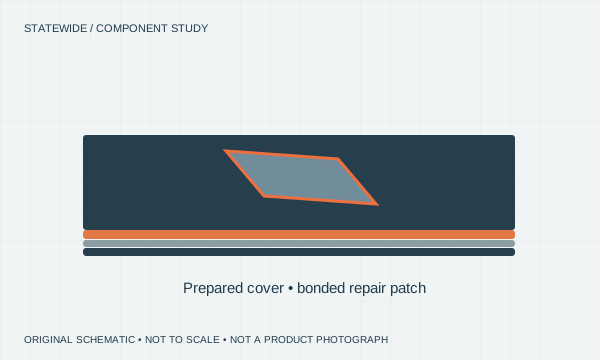 Components
Repair patches, bands and reinforcement materials can address suitable areas of local belt damage. Assess the carcass and root cause before deciding whether a repair is appropriate.
Explore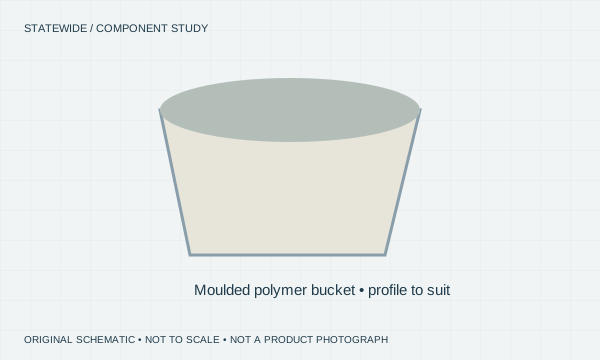 Components
Bucket shape and material influence how an elevator loads, carries and releases bulk product. Match the bucket specification to the material, speed and existing mounting pattern.
Explore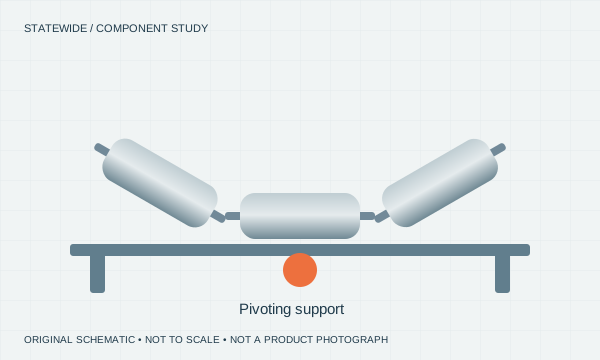 Components
Tracking units help manage lateral belt movement. Troughing, return and reversible arrangements should be selected alongside checks for loading, alignment and component condition.
Explore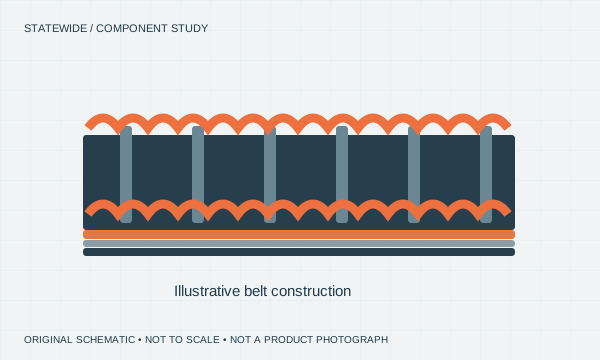 Components
Flexible corrugated walls add edge containment to a compatible conveyor belt. The wall height, cleat pattern and pulley arrangement must be considered together.
Explore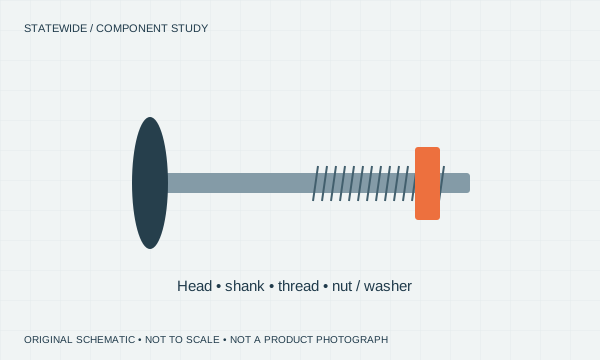 Components
Bucket elevator hardware secures buckets to the belt and supports the joining arrangement. Confirm bolt style, length, washer type and the existing bucket hole pattern.
Explore Components
Sheet rubber and lining compounds protect surfaces and support sealing duties. Abrasion, oils, chemicals, temperature and weathering each call for a different material selection.
ExploreDevelop a design around your process, site constraints and operational goals. Define the scope with a clear brief covering equipment interfaces, available space, maintenance access and the outcome you need to achieve.
ExplorePlan how material moves between receiving, processing, storage and discharge. Consider the material characteristics, required throughput and transfer points together to create a practical handling arrangement.
ExploreDevelop the conveyor layout, equipment selection and drawing requirements around the material, site and plant interfaces.
ExplorePlan site preparation, mechanical installation, belt alignment, operational checks and handover within an agreed work scope.
ExploreCuts, worn covers and damaged joints require a clear assessment of both the visible damage and its cause. Repair options depend on the remaining carcass condition and operating duty.
Explore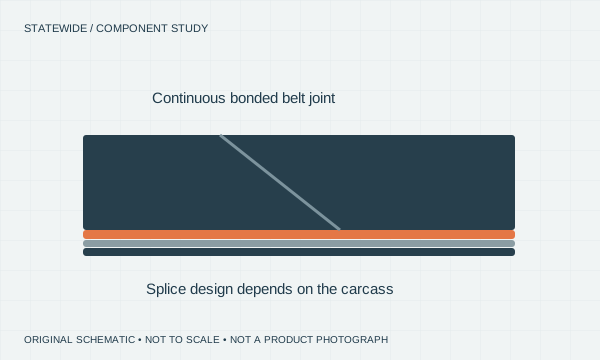 Services
Assess, repair or replace a belt joint using a method suited to its construction, conveyor geometry and operating conditions.
ExploreLagging adds a working surface between a pulley and the belt. Rubber and ceramic options can address traction and wear, with the profile selected around the drive and operating conditions.
ExploreLining protects equipment surfaces in areas exposed to abrasion, impact or chemical attack. Compound selection, substrate preparation and bonding method all contribute to the finished result.
ExploreChanges to belt length, profiles and sidewalls can adapt a conveyor to a different handling task. Start with the current arrangement and the material movement you need to achieve.
ExploreA system review considers the belt, rollers, pulleys, loading and discharge together. Recording current condition and recurring issues helps prioritise maintenance work.
ExploreRegular condition checks help reveal changes before they become larger operating issues. A maintenance plan should reflect the equipment duty, environment and available shutdown periods.
ExploreAn effective conveying arrangement begins with the material, route and required throughput. Belt selection, components and transfer points are then considered as one connected system.
ExploreDescribe the equipment location, access and work scope when planning site support. This helps establish the labour, equipment and scheduling needs of the job.
ExploreWorkshop jobs may include belt preparation, profile installation, pulley work and lining. Provide drawings, samples or dimensions so the required process can be reviewed.
ExploreFor a breakdown enquiry, record the location, conveyor details and visible failure. Clear information helps establish the repair requirements and next steps. Response availability must be confirmed for your site.
ExploreQuarries move abrasive sand and rock through feeders, crushers, screens and stockpiles. Impact at loading points and wear along the carrying surface are central to belt selection.
ExploreMineral processing connects crushing, screening and separation stages with reliable material transfer. Changes in moisture, particle size and loading can affect belt and component requirements.
ExploreBatching plants use feeders and conveyors to move measured quantities of aggregate. Consistent feed, spill control and resistance to abrasive material help shape the equipment specification.
ExploreFood handling places particular emphasis on cleanability, product behaviour and material suitability. Confirm the necessary food-contact documentation and cleaning compatibility for each belt.
ExploreTimber, bark and wood chips present different handling challenges. Surface profile, impact and exposure to oils or resins all influence belt selection.
ExploreTerminal conveyors link storage and transport processes over varying routes and loads. Belt, roller and transfer-point selection should account for the material and operating environment.
ExplorePortable pulling and lifting equipment can support suitable handling tasks. The Pulley-Man reference is included for product research; confirm rated capacity, intended use and availability before specification.
ExploreTracking equipment is one part of keeping a belt centred. Review conveyor alignment, loading and the location of the problem before selecting a troughing, return or reversible unit.
ExplorePurpose-designed belt lifting equipment provides access for compatible maintenance tasks. The conveyor layout and manufacturer-rated lifting arrangement determine the appropriate equipment.
ExploreRubber lining and maintenance materials can protect surfaces exposed to wear. The REMA TIP TOP range on the reference site is a starting point for researching compound and application options.
Explore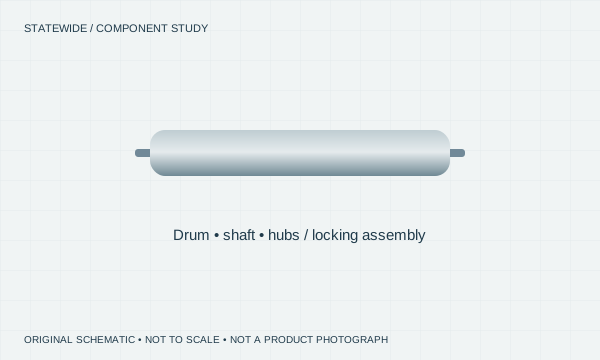 Components
Drive, tail, bend and snub pulley replacement, with shafts, interfaces and lagging specified for the installed conveyor.
ExploreIdentify why a belt wanders, distinguish loading problems from belt or component faults, and define a correction that suits the conveyor.
ExploreAssess material remaining on the belt after discharge and choose cleaning arrangements compatible with the belt, joint and material.
ExploreReview the loading point, belt support and sealing together to reduce material escaping from the conveyor.
ExploreMatch the belt, loading support and wear surfaces to the way material strikes and travels through the conveyor.
ExploreReview grip, containment and discharge when material slides, rolls back or fails to release on an inclined conveyor.
ExplorePlan how belts and components can be inspected, lifted, removed and replaced within the conveyor layout.
ExploreNo matches found. Try another term or category.
YOUR NEXT PROJECT
Share the material, the challenge and the work you need done.