Recognise two different wear mechanisms
Large lumps dropping onto the belt create local impact and can damage reinforcement. Material sliding across a surface progressively wears it away. Many transfers experience both, but their severity changes with material size, shape, speed and drop height. Record the wear location before choosing a protection system.
Protect the belt and the transfer together
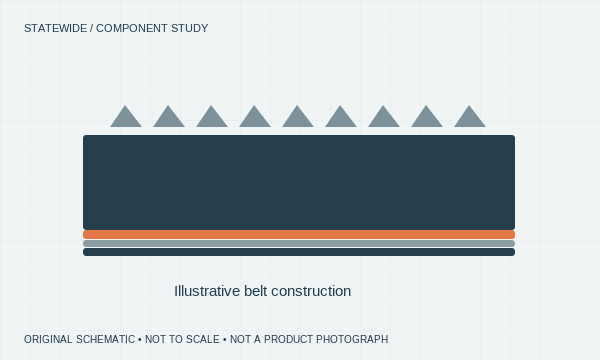
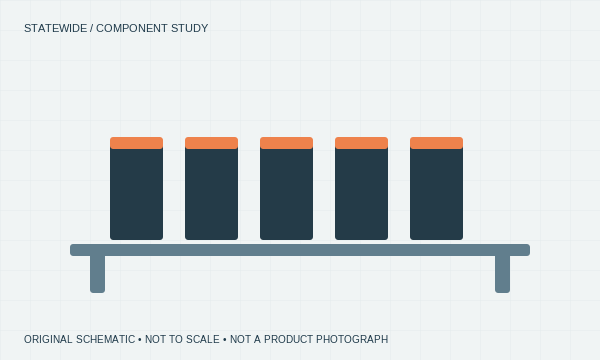
Impact support helps manage loading forces beneath the belt, while suitable belt covers address the contact conditions above it. Chute liners protect surrounding surfaces. These are connected decisions: a new belt can still suffer repeated damage if a sharp obstruction or poorly directed stream remains in place.
Choose materials against the actual exposure
Rubber lining, impact bars and specialist belt covers are not interchangeable. Consider temperature, oils, chemicals and material sharpness as well as ordinary abrasion. Compatibility with the substrate, mounting or bonding method and required clearances affects the final selection.
Plan replacement around the wear pattern
Photographs and thickness records can identify concentrated wear that calls for a transfer assessment. Confirm whether components can be removed without dismantling adjacent plant. Scope can include belt repair, replacement support bars, lining work and design review of the loading arrangement.
Connected services and selection guides
Define the work you need
- Largest lump size, approximate bulk density and drop height
- Photographs of the impact zone and wear direction
- Belt construction, existing support and lining material
- Temperature, contaminants and access for replacement