Protect surfaces exposed to wear
Industrial rubber lining can protect suitable chutes, hoppers and other surfaces against material impact or abrasion. The lining specification depends on particle shape, speed, drop height, temperature and chemical exposure. Rubber is not suitable for every duty.
Design the lining around the wear pattern
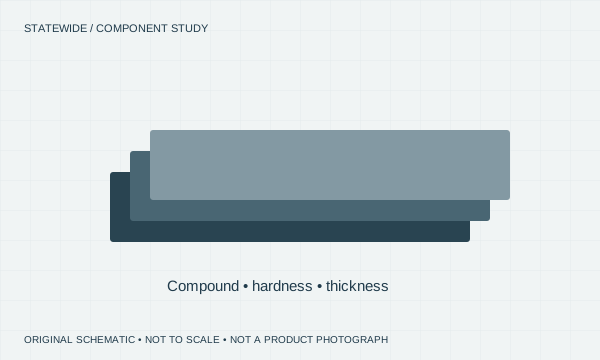
Identify the high-impact zone and the direction material travels. Sheet thickness, joints, edges and fixing or bonding arrangements need to suit the substrate and access. Lining should not create a restriction that encourages material to hang up in the transfer.
Inspect, prepare and finish
The substrate needs inspection and preparation for the selected lining system. Existing lining, corrosion and contamination may alter the work required. Agree curing conditions, inspection and return-to-service timing; chemical compatibility must be checked against the actual process rather than a general resistance claim.
Industrial rubber lining: what we deliver
Performed directly by Statewide Conveyors across Victoria. The quotation defines the work included for your equipment and site.
- When to choose this service
- Equipment surfaces exposed to abrasion, impact or the specified chemical environment.
- Scope we agree with you
- Substrate condition, compound selection, preparation, bonding and access to the surfaces being lined.
- Handover and acceptance
- An agreed lining thickness and coverage, with inspection and cure requirements for the selected system.
Connected services and selection guides
Define the work you need
- Equipment drawings, substrate and area to be lined
- Material size, impact, temperature and chemical exposure
- Photos of existing wear and any loose lining
- Workshop or site application, access and return-to-service date