Locate where material leaves the return belt
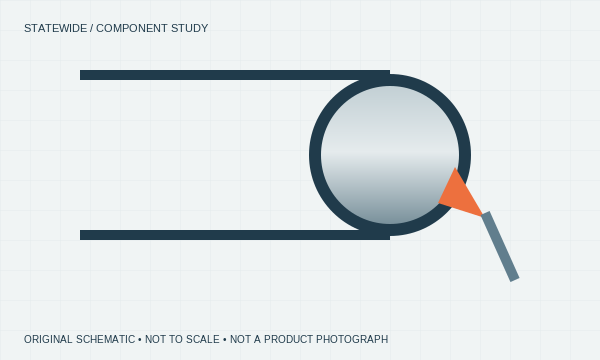
Carryback is material that remains on the carrying surface after discharge. It may fall below the return run, collect around rollers or build up on pulleys. Map the deposit pattern and note whether it changes with moisture, throughput or the material being processed. This helps separate a cleaning issue from a leaking transfer.
Primary and secondary cleaning duties
A primary cleaner normally works near the head pulley to remove the bulk of adhering material. A secondary cleaner addresses residual material further along the return path where the installation allows it. Mounting position, blade type and tensioning must follow the chosen equipment specification; adding more blade pressure is not a universal remedy.
Check the complete contact surface
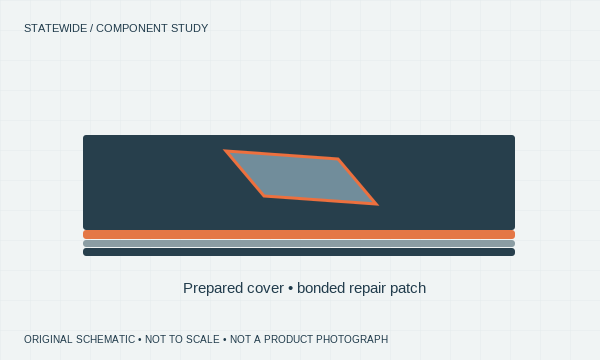
Belt cover damage, an uneven joint and worn blades can interrupt cleaning contact. Confirm whether the belt uses mechanical fasteners, profiles or a reversing arrangement before choosing a cleaner. Sticky fines and dry abrasive products can require different blade materials and maintenance intervals.
Make servicing practical
Allow access for inspection, adjustment and blade replacement, with suitable isolation arrangements. Confirm where removed material will fall so the cleaner does not create another build-up point. The enquiry can include cleaner replacement, belt repair, pulley inspection and a defined maintenance schedule.
Connected services and selection guides
Define the work you need
- Material, moisture range and where carryback accumulates
- Belt width, speed, cover condition and splice type
- Head-pulley layout and available space for cleaner mounting
- Current cleaner model, blade condition and service access